All tagged healing

Materials in Motion in South African Healing Spaces

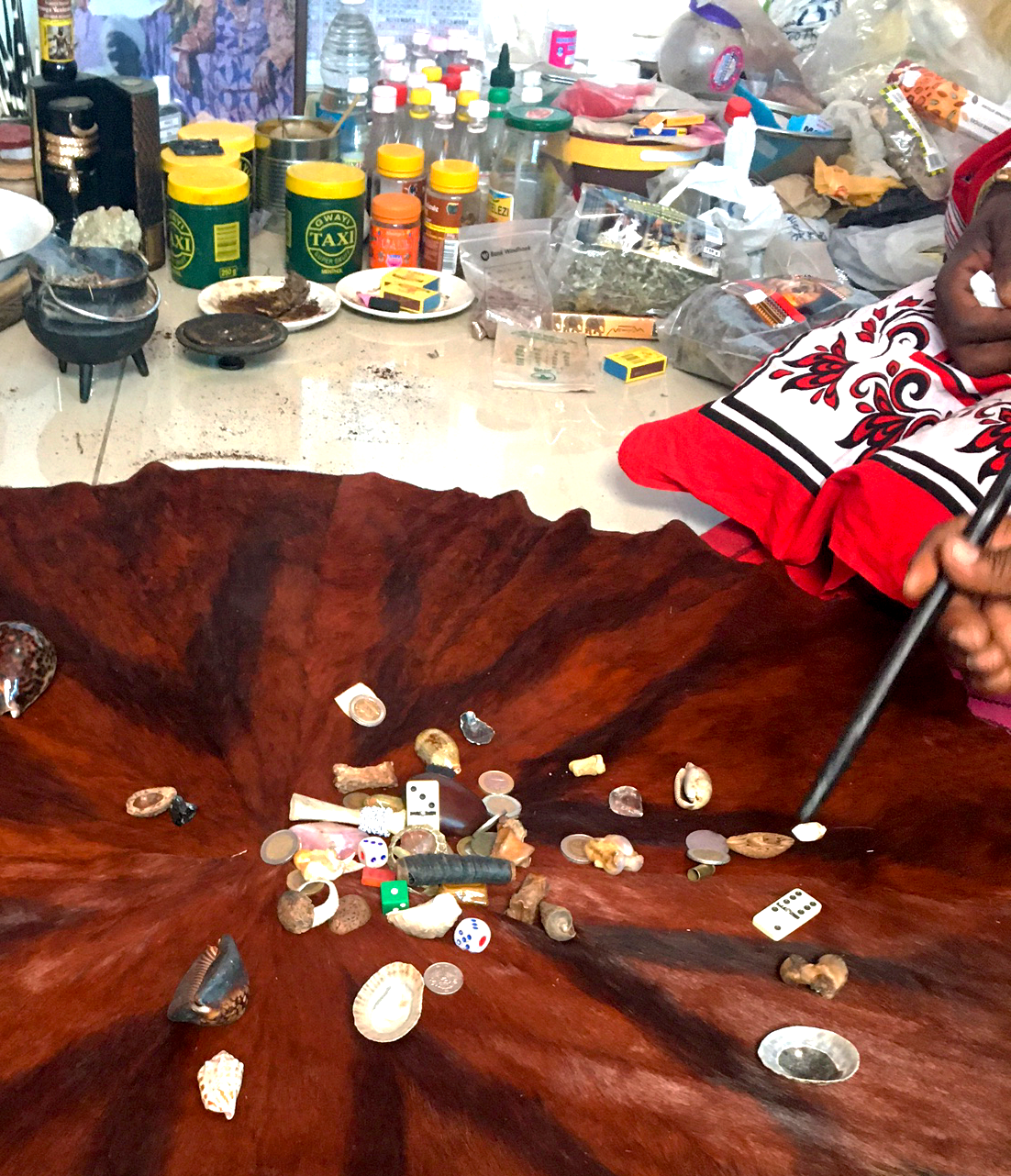
Drawing on ethnographic fieldwork conducted in South Africa since 2021, this essay highlights the circulations of materials such as plants, stones, shells, powders, divining tools, and ritual substances between healing spaces generally considered as separate. These include spaces where specialists identify as holistic practitioners or spiritual seekers (reiki masters, energy or light workers, Tarot readers, psychic mediums, etc.) and those where officiants present themselves as indigenous diviners and healers, or sangomas: a Zulu term widely used. The circulation of material elements, as well as, to a lesser extent, of spirits and ritual subjects – whether human or more-than-human – between such spaces suggest their intrinsic, profound, and undoubtedly long-standing intertwining. It shows that the practices performed in them are intrinsically hybrid, creative and complex, which raises the question of the relevance of categories applied to them, such as African Traditional Religions, indigenous healing traditions, esotericism, or even alternative spiritualities, categories that emphasize the separateness rather than interconnectedness of the phenomena that they label.
A Theory of Relational Affliction and Healing: Evil Eye in Iran and Greece

Rose Wellman and Dionisios Kavadias offer a comparative ethnographic study of the evil eye in contemporary Iran and Greece. With rich ethnographic detail, the authors explore the ongoing significance of evil eye affliction as well as the diagnostic approaches and remedies used for removal of this curse. Their analysis shifts focus from previous paradigms of social cohesion to local cultural logics, ways of knowing, and realities that foreground bodily integrity and experiences of energy. They present evil eye as a case study in relationality and embodied affliction/healing.

Body, Goddess and Healing: The Tattoos of a Goddess

The author explores the affective and physical ‘territorialisation’ of the body during measles, and how vernacular Tamil beliefs consider this a visit from the Goddess called Mariammen. She traces the interruption (and disruption) into the devotee’s life through the material presence of measles as the immaterial, yet tangible existential presence of her anger splayed ferociously out across the body. The healing instance of measles, invokes and provokes a bodyscape of heat and cooling to match the temperament of the goddess. The essay deconstructs the poly-semiotics of healing as a kind of purging and takes an under-the-skin look at the materiality of both body and goddess in this context.

Curing with Our Mother Corn

In this article, the author discusses the myriad of ways agricultural practices are interconnected with healing modalities. Using environmental justice and healing justice frameworks, the author examines how Our Mother Corn (“Native Corn”), as a Wixárika relative, prescribes and assures the health of Wixárika families. Drawing from ethnographic research, the author examines Wixárika communities’ views on health. To be healthy, Wixárika families maintain a harmonious relationship with their ancestors—including Our Mother Corn—to receive wellness from them. In the article, the author questions current healing frameworks and problematizes the current traditional practices.

2021 Fall Issue - What Matters in Healing?

What processes, movements, and epistemological or physical structures make productive spaces for healing? How can we think about healing in a sense that moves via and past the physical, interrogating temporal ways of being throughout time, place, and space? How can relationality, place-based thinking, and embodied ways of knowing come together to form a collective consciousness around healing when framed as well-being, care, mindfulness and gratitude? Fundamentally, if anthropology and cultural studies are about paying attention to certain contexts what does the praxis of healing mean and do in varied contexts?

2021 Spring Issue - What Matters in Rebuilding?

ReBuilding relates processes of damage and restoration, loss and healing, and the never-ending making and doing of things in human lives. In light of the pandemic, and historical and socio-cultural issues that long pre-dated 2020, the question of how we rebuild and remake is in urgent need of consideration. The articles, interviews and essays in this issue encourage us to reflect on the religious and secular beliefs and practices that cohere communities as they cope, create, resist, protest and move forward.