
All tagged south africa

Materials in Motion in South African Healing Spaces

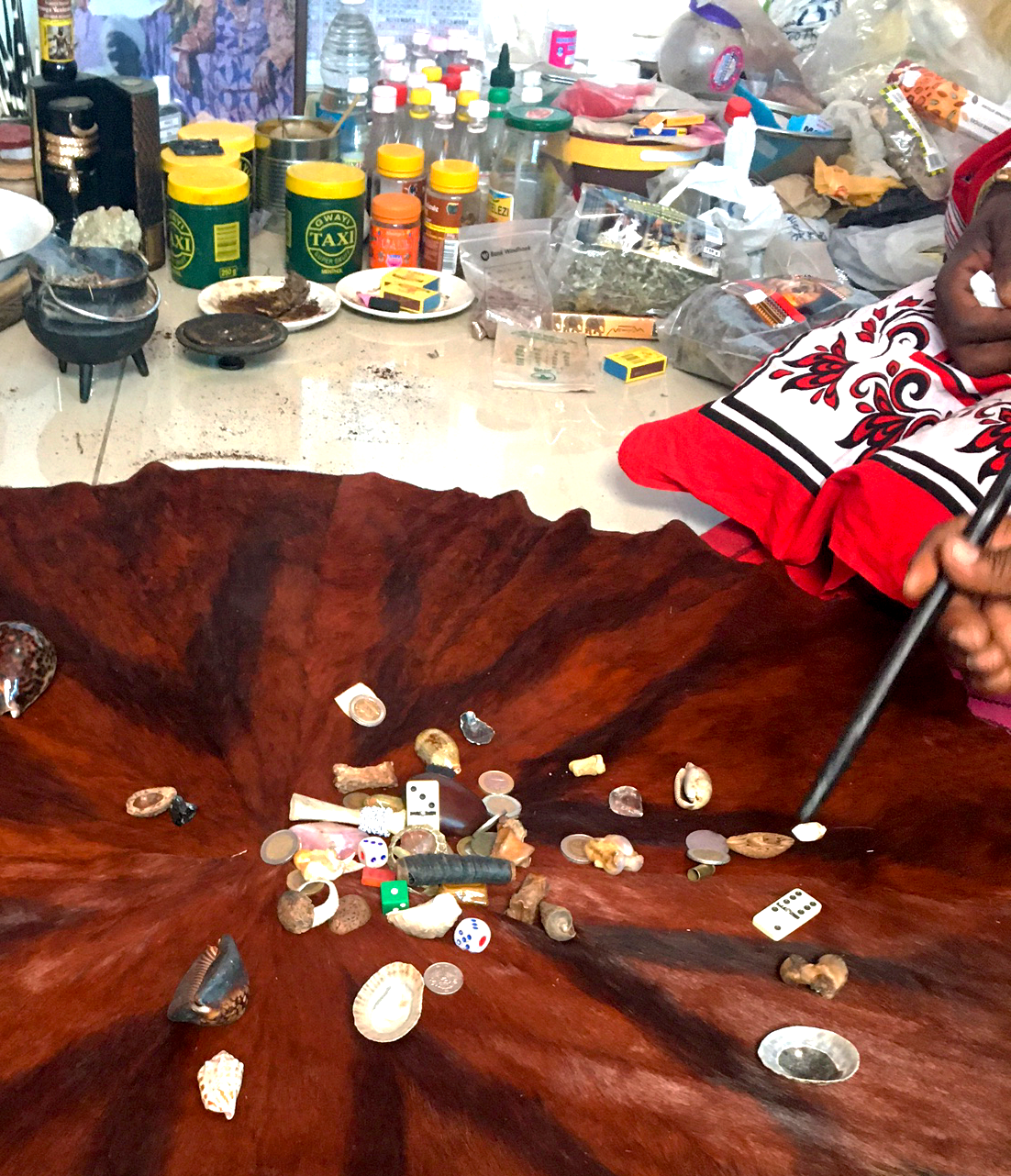
Drawing on ethnographic fieldwork conducted in South Africa since 2021, this essay highlights the circulations of materials such as plants, stones, shells, powders, divining tools, and ritual substances between healing spaces generally considered as separate. These include spaces where specialists identify as holistic practitioners or spiritual seekers (reiki masters, energy or light workers, Tarot readers, psychic mediums, etc.) and those where officiants present themselves as indigenous diviners and healers, or sangomas: a Zulu term widely used. The circulation of material elements, as well as, to a lesser extent, of spirits and ritual subjects – whether human or more-than-human – between such spaces suggest their intrinsic, profound, and undoubtedly long-standing intertwining. It shows that the practices performed in them are intrinsically hybrid, creative and complex, which raises the question of the relevance of categories applied to them, such as African Traditional Religions, indigenous healing traditions, esotericism, or even alternative spiritualities, categories that emphasize the separateness rather than interconnectedness of the phenomena that they label.
2021 Spring Issue - What Matters in Rebuilding?

ReBuilding relates processes of damage and restoration, loss and healing, and the never-ending making and doing of things in human lives. In light of the pandemic, and historical and socio-cultural issues that long pre-dated 2020, the question of how we rebuild and remake is in urgent need of consideration. The articles, interviews and essays in this issue encourage us to reflect on the religious and secular beliefs and practices that cohere communities as they cope, create, resist, protest and move forward.

Cecil John Rhodes: ‘The Complete Gentleman’ of Imperial Dominance

Incompleteness engenders an understanding of resilient colonialism epitomised by Cecil Rhodes’ monuments and statues in Southern Africa. It draws on Tutuola’s metaphorical ‘The Complete Gentleman’ and the lessons on being and becoming from Tutuola’s skull to remind us that Rhodes’ legacy still suffers from illusions of completeness and a denial of debt and indebtedness. The call for humility and alertness to the imagined dream of a rainbow nation demands that South Africans stop learning the wrong lessons from Rhodes as exclusionary articulations of belonging informed by superiority and zero-sum games of conquest.