Materials in Motion in South African Healing Spaces
Abstract
Drawing on ethnographic fieldwork conducted in South Africa since 2021, this essay highlights the circulations of materials such as plants, stones, shells, powders, divining tools, and ritual substances between healing spaces generally considered as separate. These include spaces where specialists identify as holistic practitioners or spiritual seekers (reiki masters, energy or light workers, Tarot readers, psychic mediums, etc.) and those where officiants present themselves as indigenous diviners and healers, or sangomas: a Zulu term widely used. The circulation of material elements, as well as, to a lesser extent, of spirits and ritual subjects – whether human or more-than-human – between such spaces suggest their intrinsic, profound, and undoubtedly long-standing intertwining. It shows that the practices performed in them are intrinsically hybrid, creative and complex, which raises the question of the relevance of categories applied to them, such as African Traditional Religions, indigenous healing traditions, esotericism, or even alternative spiritualities, categories that emphasize the separateness rather than interconnectedness of the phenomena that they label.
Citation: Kedzierska Manzon, Agnieszka. “Materials in Motion in South African Healing Spaces” The Jugaad Project, Vol. 7, No. 1, 2026, www.thejugaadproject.pub/south-african-healing-spaces [date of access]
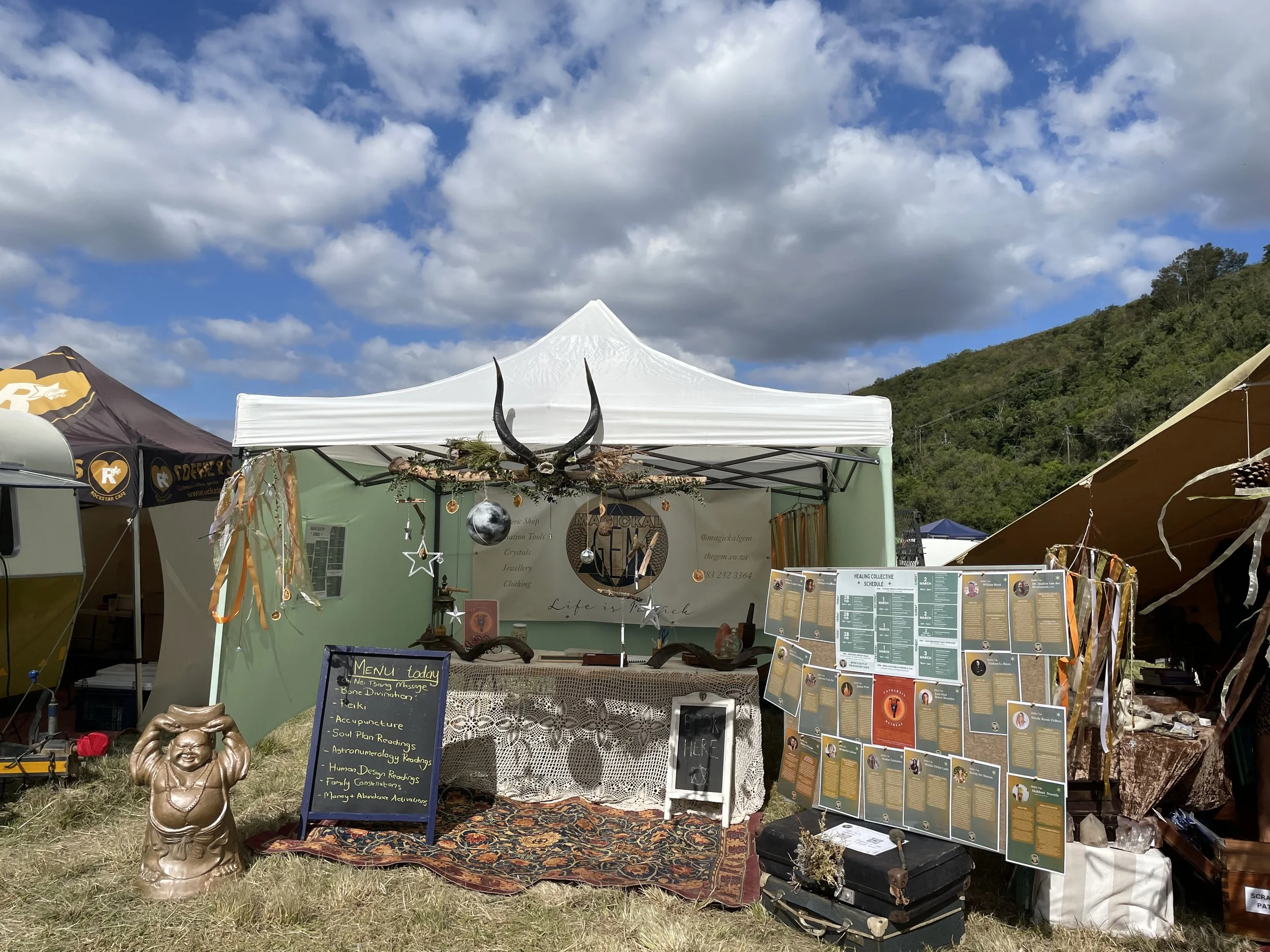
Fig. 1. Healing space at the Festival Spiritfest, Western Cape, February 2025, photo by author.
Contemporary South Africa is remarkable for its variety of alternative, spiritual or non-biomedical healing practices, some of which have been present locally for years or even decades[1]. Among the modalities offered, for example, at the popular summer festivals, held in the Western Cape region, such as Retreat Yourself: A Wellness festival with a twist or Spiritfest, reiki and other kinds of energy healing are proposed alongside acupuncture, yoga, breathwork, astrology, lithotherapy, aromatherapy, naturopathy, and, last but not least, traditional African healing procedures and bones divination. A similar offering of healing and spiritual activities is available in centers, esoteric shops and facilities in South African cities, Cape Town and Johannesburg, in instance, where I have been conducting fieldwork since 2021.
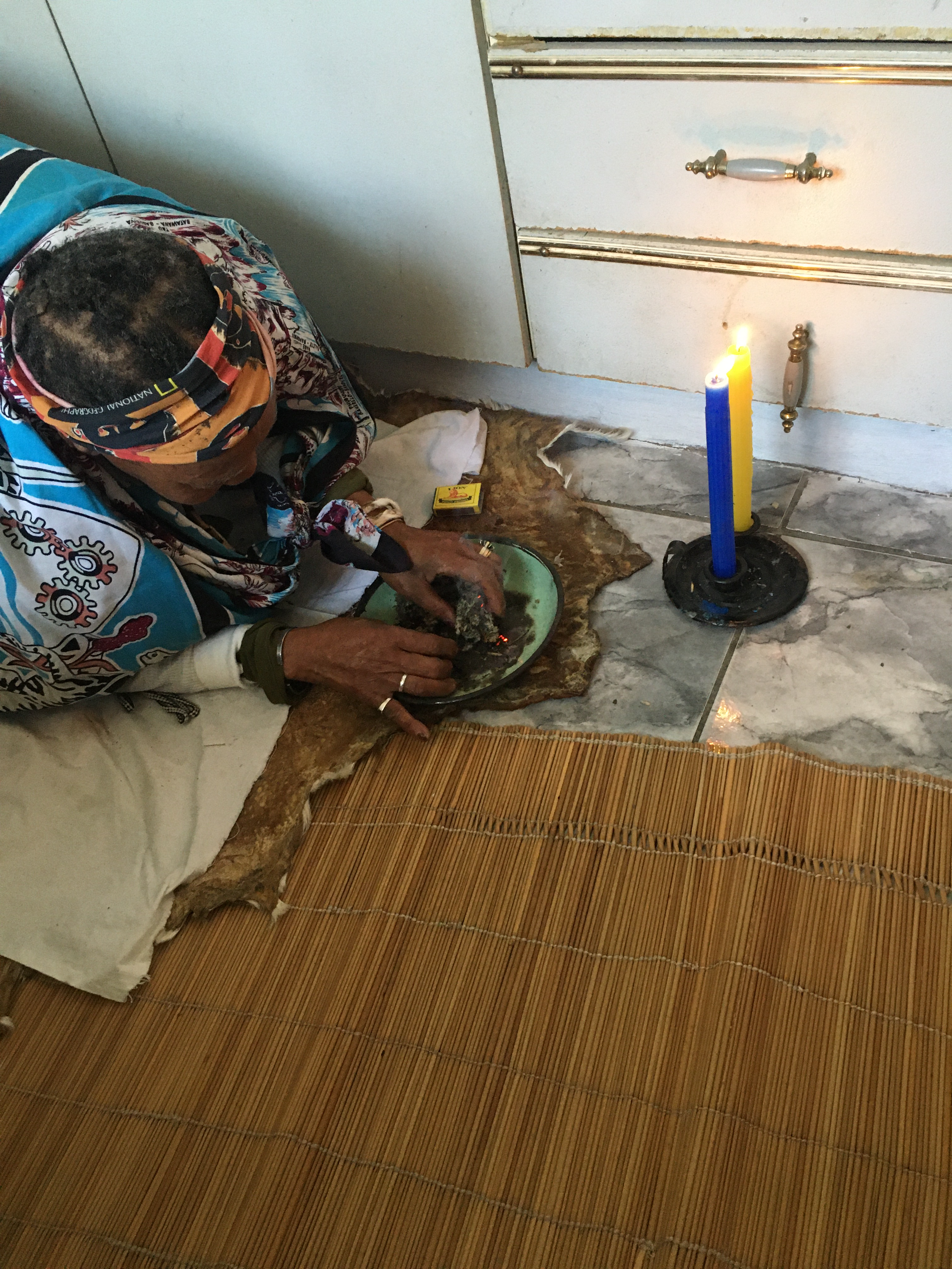
Fig. 2. Burning imphepu in Langa, Cape Town, October 2022, photo by author.
Healing consultations by sangoma – a Zulu term, widely used today by all traditional healers – open by burning of imphepu, as do, more generally, practices in which people call upon their ancestors. Imphehu, an endogenous vegetal species or, according to some[2], a bunch of species having similar properties - producing fragrant smoke – is a key ingredient of indigenous rituals. Its inhalation, I was told, puts the officiating specialist in the state of permeability or receptivity necessary to host the ancestors. In this photographic essay, I wish to reflect on the scented presence of imphepu – and that of other materials: plants, minerals, complex amalgams – in South African contemporary healing spaces, both those associated with esoteric or alternative contexts and those considered locally as traditional or indigenous.
My intention is to show that materials and things circulate widely between such spaces which are intrinsically hybrid, arising from “creative interventions, appropriations, and rearticulations that take place in the power relations of specific colonial” and, I would add, postcolonial “situations” (Homi Bhaba quoted by Chidester 2015: 31). This brings me to the question – impossible to answer here – of the relevance of categories such as African Traditional Religions, indigenous healing traditions, esotericism, or even alternative spiritualities, which put emphasis on the separateness rather than interconnectedness of the spaces that they serve to label.
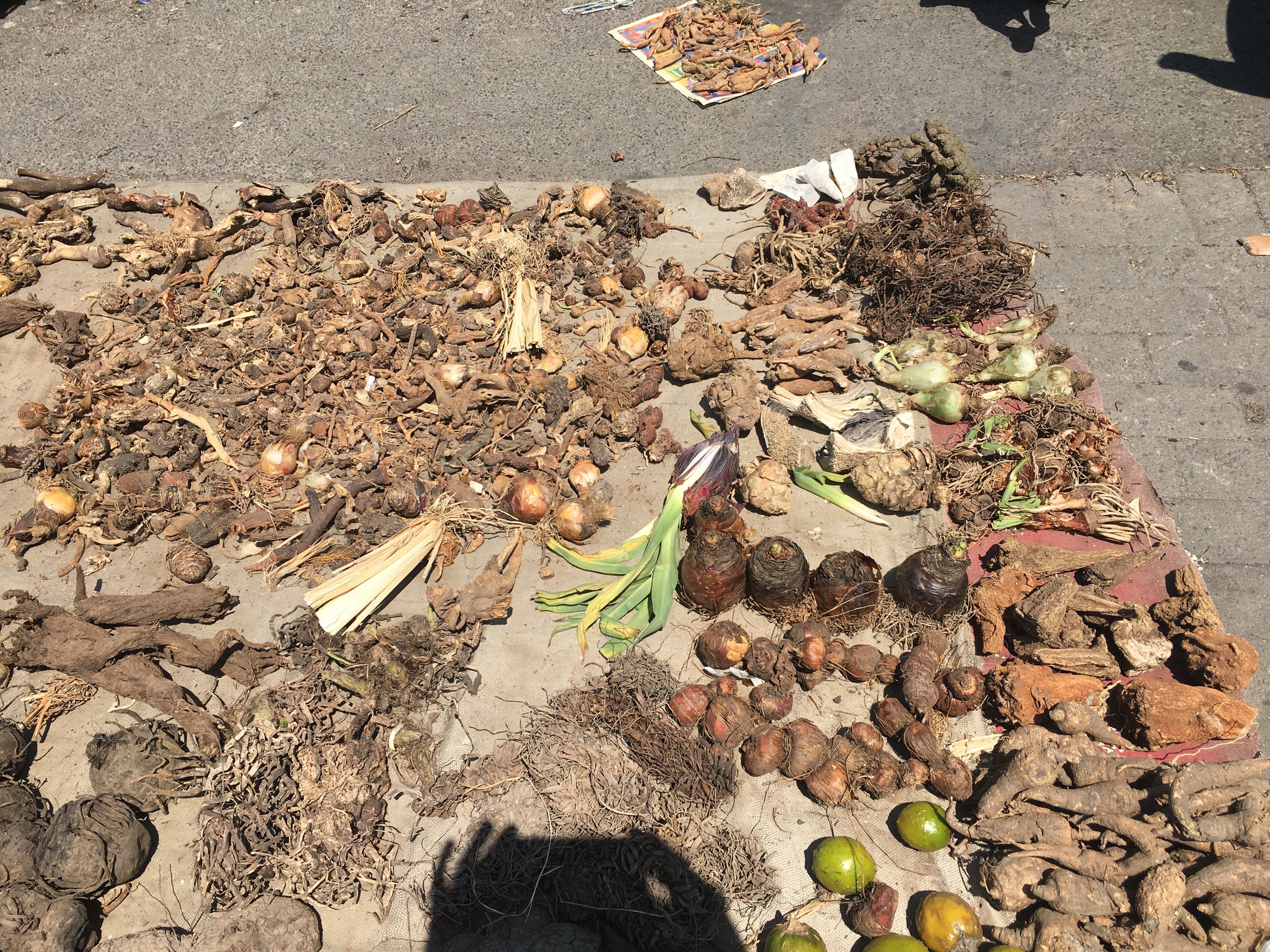
Fig. 3. Muthi on sale in Langa township, Cape Town, October 2022, photo by author.
To describe those spaces, let us be guided by imphepu, whose biography, and that of other plants, may inform us on the local and global connections, historical and contemporary circulations of materials but also people and ideas. One can buy imphepu from the street vendors selling indigenous remedies – for which the generic term is muthi – in South African townships, such as Langa, or in various downtown neighborhoods such as Rondebosch and Observatory, in Cape Town, or at the markets such as Mai Mai or Faraday in Johannesburg. The presence of street muthi and plant vendors has been growing since the 1990s. During apartheid, it was spatially restricted. Therefore, at the time and from the 1930s onwards, muthi were available in the shop located downtown, often owned by Indian specialists familiar with Ayurveda (Flint 2015: 158-183). The case of Tina, an Indian woman to whom I was introduced by a Sotho sangoma and the president of Traditional Healer Organization (THO), Masecjuba is exemplary in this regard. Tina’s shop, Kwa Dabula, provides the vegetal substances and necessary equipment – animal skins, tails, horns, as well as beads and straw mats – to many traditional healers. Historically, such equipment and muthi were, and are still today, also on sale in township pharmacies, one of the oldest of which is located in Langa and in the hands of the same family for years, at least from 1940s, as I was told by the current owner[3].
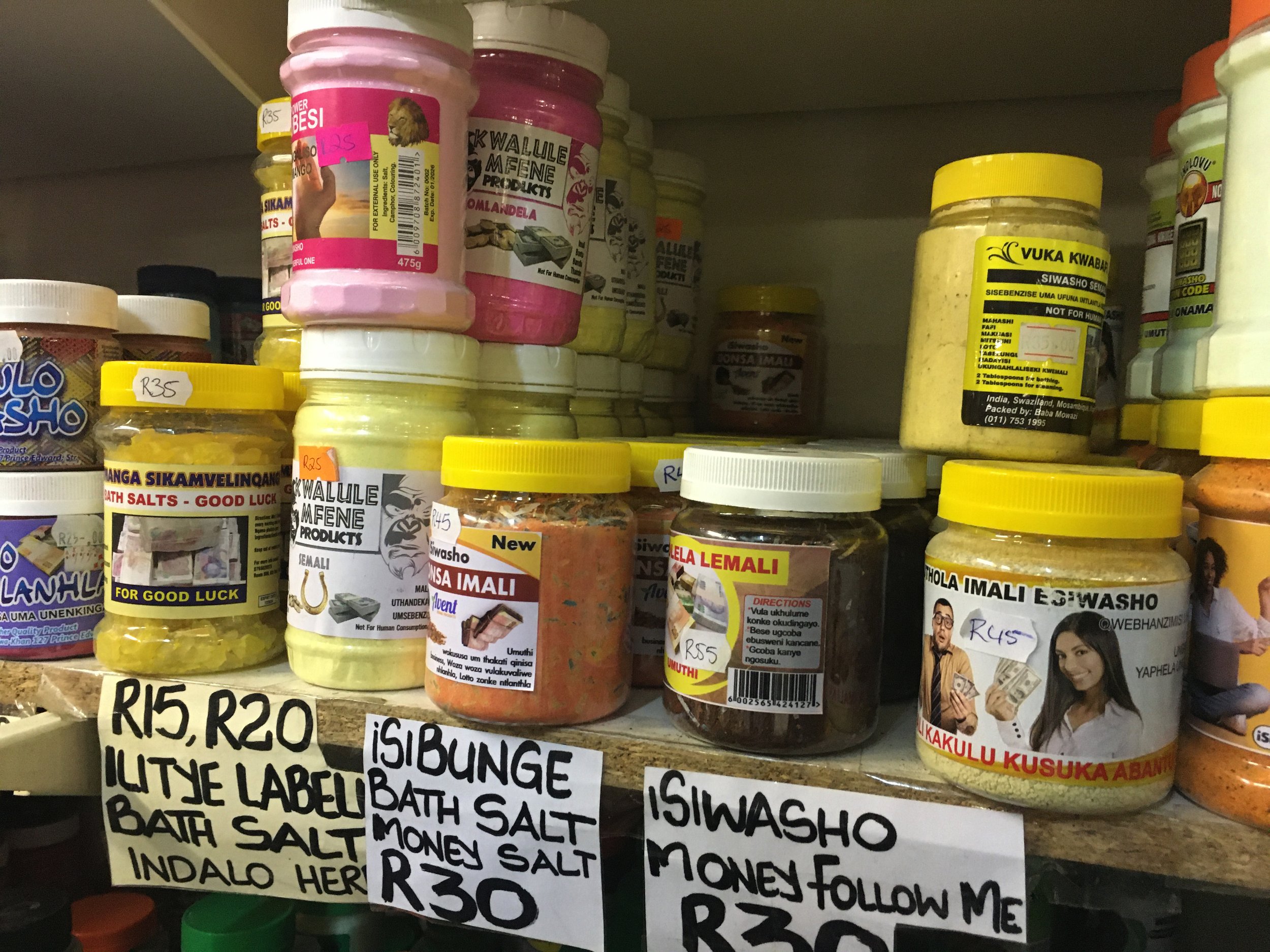
Fig. 4. Pharmacy in Langa township, October 2022, photo by author.
In the Langa pharmacy, most of the products on sale are made, I was assured, by South African companies from locally grown plants. Yet, those plants are not on sale in the form of fresh or dried roots, leaves or bulbs but rather vegetal – and no doubt other matters – powdered, liquefied, packed and transformed in novel ways. Tidily put on shelves in transparent plastic jars with labels, they look clean and professionally prepared, like biomedical products, even if their flashy colors and the labelling may seem unsettling, at least for my Western eye. Some of these products are supposed to help stop smoking or prevent mosquito bites, while others claim to bring good luck, solve money problems, and “fight back” evil spirits or witchcraft. If the raw materials are African and meant to answer local problems within the local etiologies, to do so, they assume new modernized forms of which the pictures on them are the emblems. They index, in fact, both, local traditions and global connections, indigenous knowledge and Western science, which they meld together, purposely cutting across color lines and racial distinctions through the montage of text, images, and material content forming a new whole. The outcome becomes somehow hybrid, complex, blurring the boundaries between ‘traditional’ and ‘modern’, “African” and “Western”, ‘natural’ and ‘industrial’.
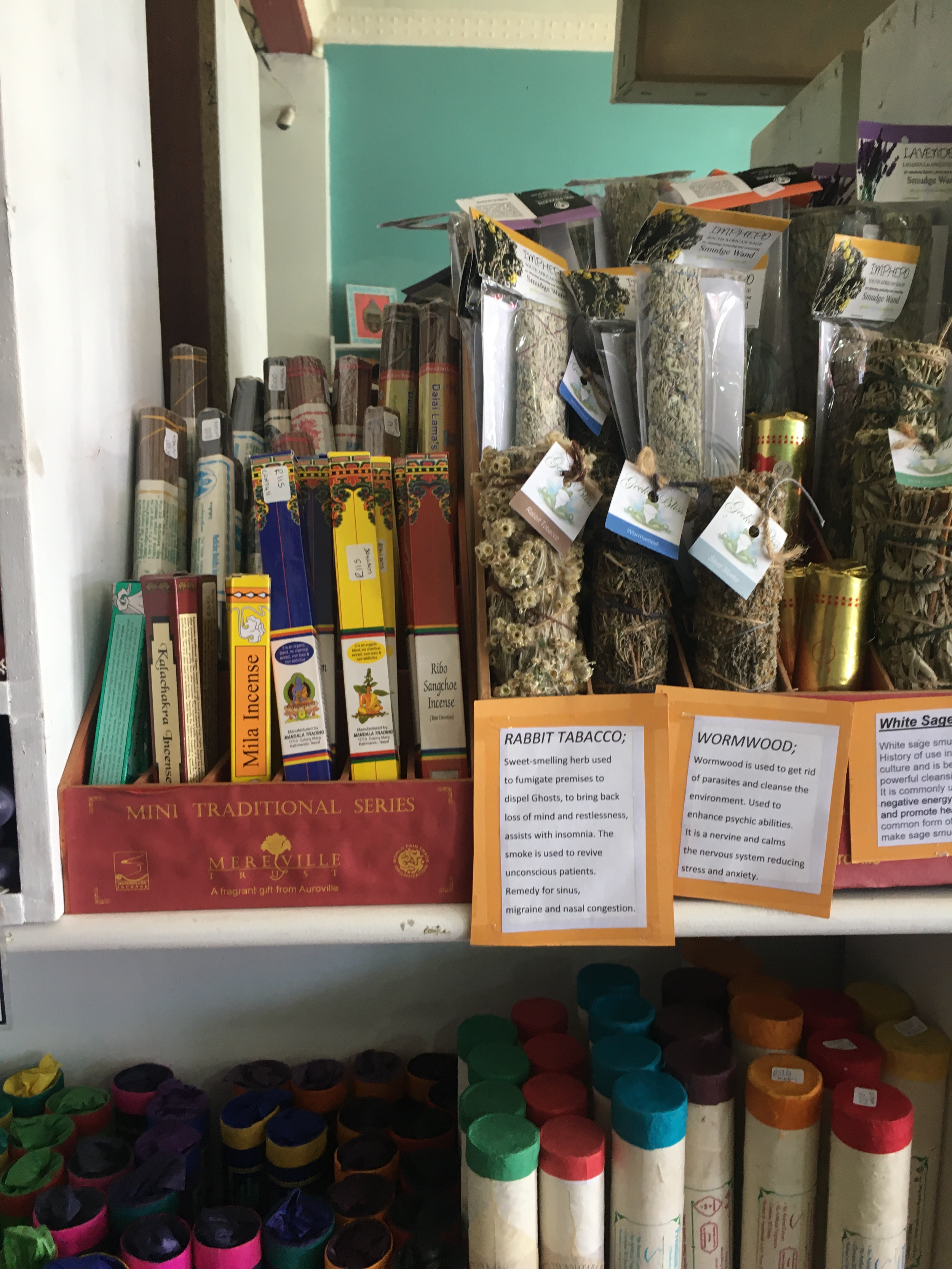
Fig. 5. Vegetal and other materials on sale in the shop of Angel Schack, Johannesburg, February 2024, photo by author.
Less colorful and less transformed seem vegetal matters – among which are imphepu but also other indigenous plants such as skeletium (kana) – on sale in esoteric and alternative shops which flourish today in South African cities. Many of them, such as Angel Schack located in bohemian and lively Melville area of Johannesburg, House of Isis settled in the fancy shopping mall in Rosebank in Johannesburg, or Magickal Gem, in the historically mixed and alternative Observatory neighborhood of Cape Town are, in fact, more than simply shops. Places where people converge, they are regularly visited by the diverse practitioners who identify as holistic healers, reiki masters, wiccans, energy workers, psychics, mediums, and astrologists. Sangomas may also come there to buy ritual items integral to their respective practices. All customers receive information regarding upcoming workshops and activities, discuss with other alternatively-minded people, and, as clients, may book a massage, a consultation, and/or a Tarot reading.
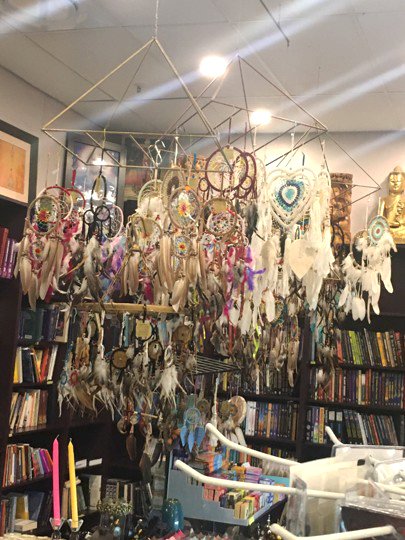
Fig. 6. Variety of materials on sale in the House of Isis, Johannesburg, July 2023, photo by author.
Alongside imphepu and indigenous plants, one can generally find exogenous species, such as Californian white sage, used as a smudge, and popular among practitioners in South Africa but also in Europe or North America. In the House of Isis, one can also take a color photograph of one’s aura, as I did slightly hesitantly since it required me to sit still for a few moments in front of a special and quite impressive machine connected to a printer. Also on sale in this and other shops are salt from the Himalayas, stones from Namibia and other African countries, candles, incense, holy but also sea water, books, dream-catchers, pendants and bracelets, angel and Buddha statues and shells, among many other interesting and inspiring items that appear to be full of potential.
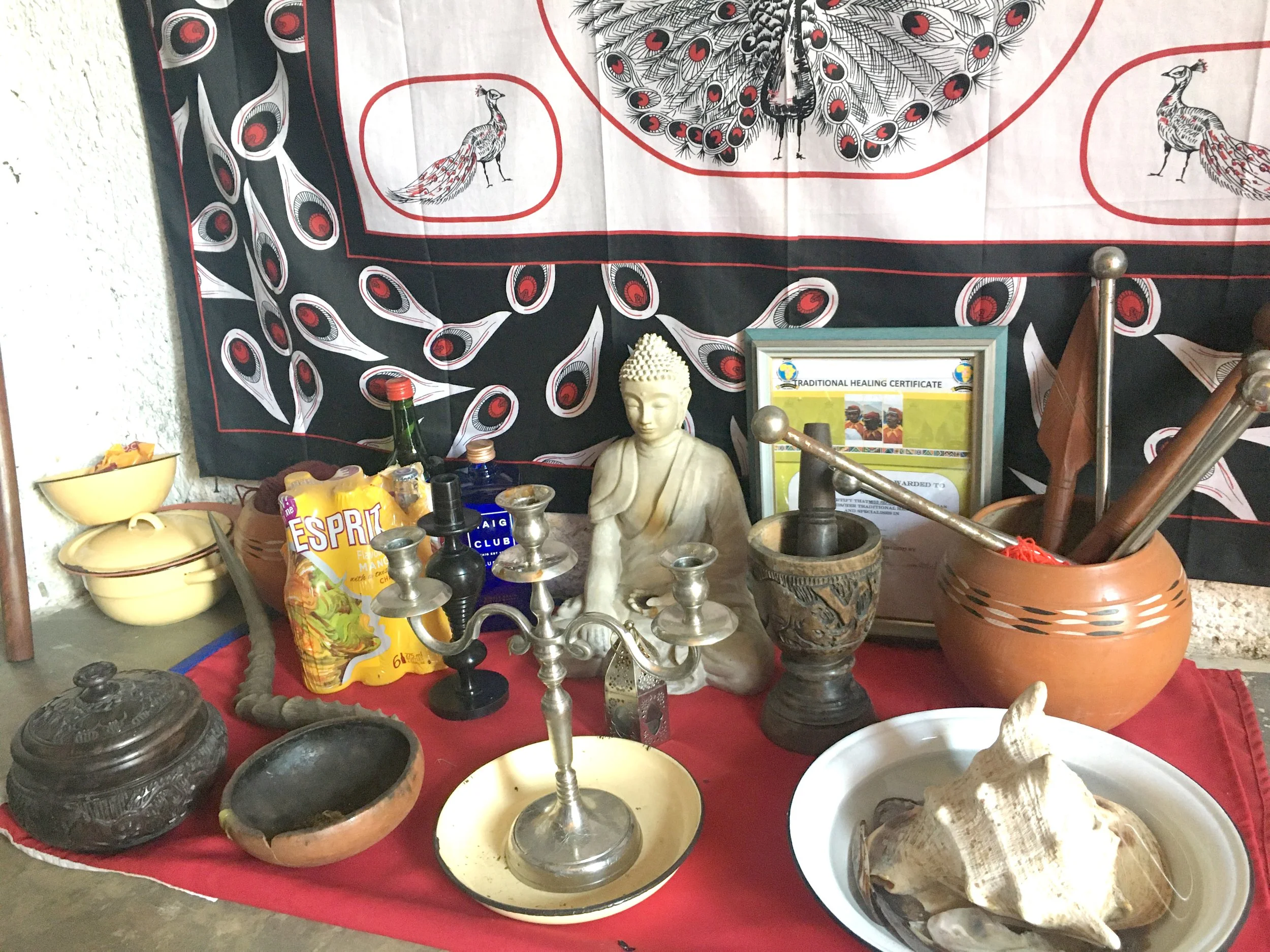
Fig. 7. The Consultation space or ndumba of a sangoma member of THO, Katlehong township of Johannesburg, July 2023, photo by author.
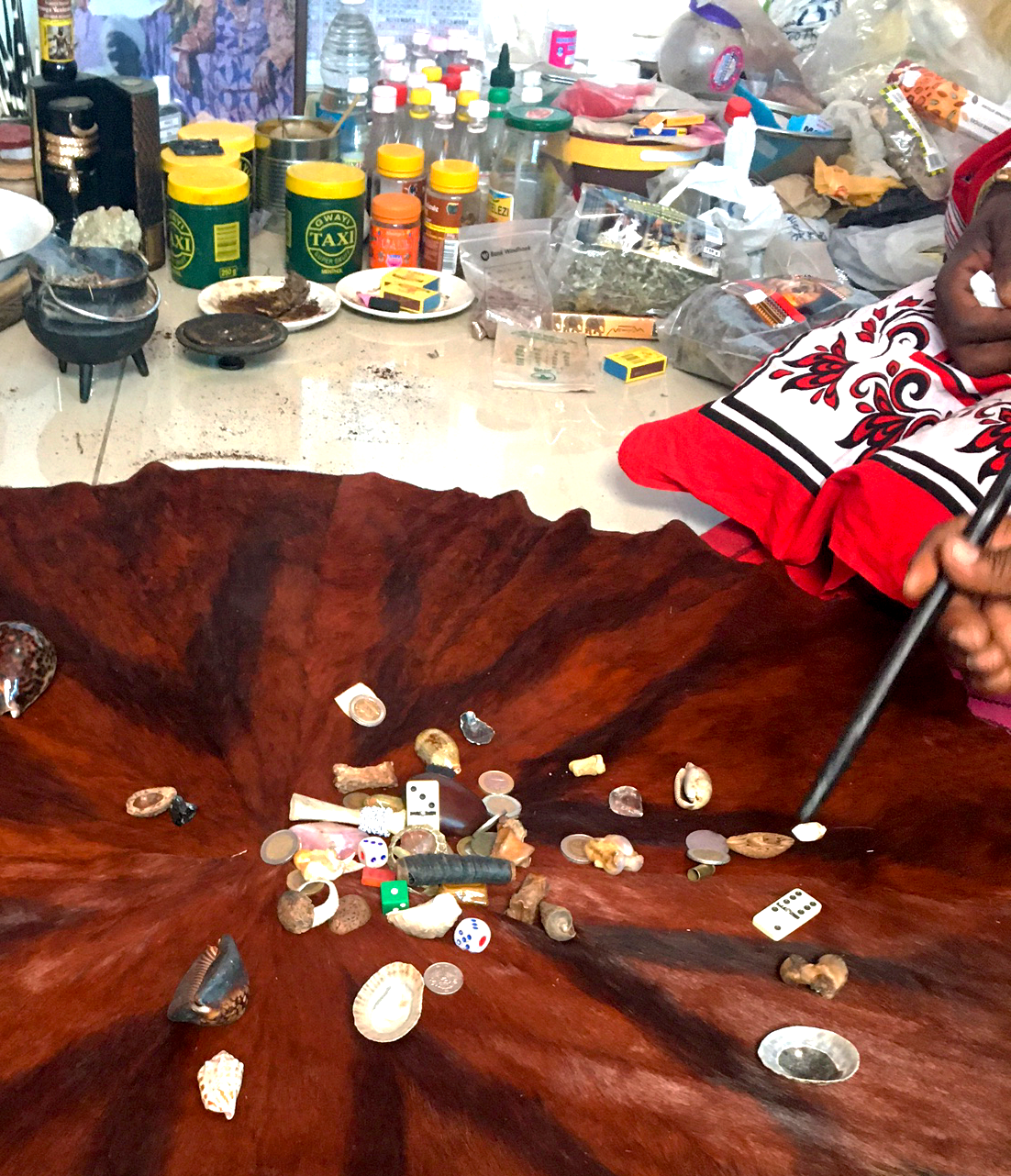
Shells are commonly used by sangomas as well as other types of spiritual healers, such as for example shamans, as Faith, a daughter of a Langa sangoma and a shaman in training explained to me.[4] They may be, more precisely, integrated into the shrines, comprising also other elements – statues, incense, water, candles, food offerings, perfumes, diplomas and certificates obtained, etc. – indexing local and global religious and cultural contexts, as well as the complex circulations of specialists, their disciples, patients, but also spirits. Thus, for example, it was explained to me by one of the sangomas born in Mozambique, whom I met in Katlehong township of Johannesburg, that whereas living plants crystalized the presence of the ancestors, and red beans that of the foreign Ndau spirits originating from Mozambique[5], the Buddha statues materialized Indian spirits probably present among her varied and partly unknown ancestors[6]. As spirits, the specialists also travel; some, such as the president of THO mentioned earlier, to India, for a joint workshop with Ayurveda specialists, others to Amazonia, to learn about ayahuasca, or to Namibia to visit some of their apprentices.
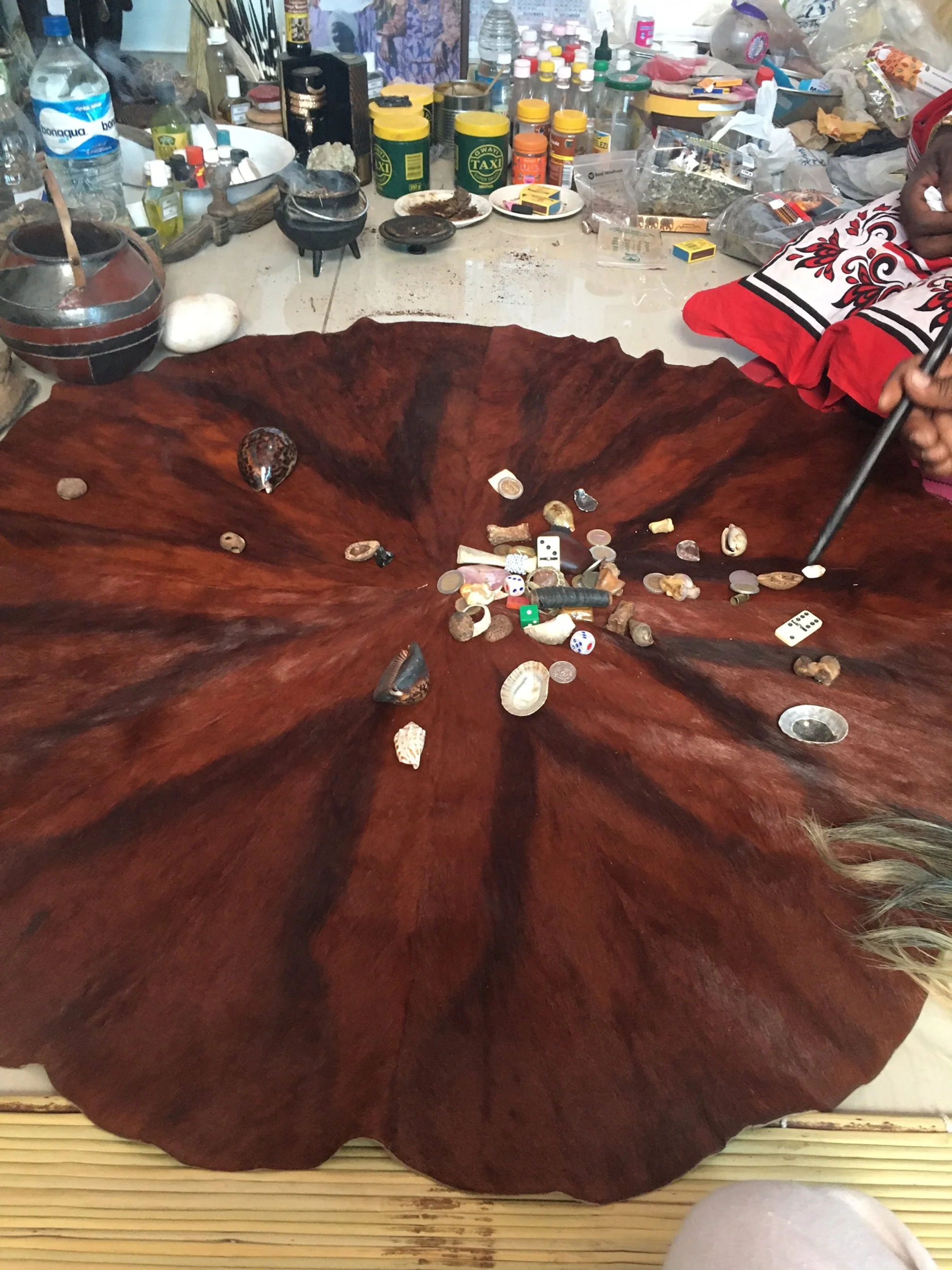
Fig. 8. Bones divination by a Namibian sangoma who is being trained by a South African specialist, Katutura township of Windhoek, November 2023, photo by author.
The movements on such a large, intercontinental scale may be accelerating and intensifying in the 21st century, but the circulation of ritual materials and their creative hybridization is by no means a new development. The same logics of successive appropriation and innovative blending preside over the most popular form of South African divination: the bones divination. The term may be misleading since the so-called bones’ set comprises an eclectic and rich mixtures of items: bones of the animals sacrificed by the trainee in the process of the initiation, various shells, coins, fruits shells, and even game dices. Each of these items indexes closer and more distant relatives, potential enemies and friends, kin, luck and success but also failures, complex relational configurations spreading far in time and space. Thus, the bones, contained in a small bag made from animal skin, and thrown during the consultation, are, in fact a map of populations’ movements, conflicts and wars. They are material memory of ancient and more recent commercial roads linking Africa to Asia and to Europe, but also of the slave trade, colonization, and labor migrations both past and present. This is a microcosm revealing a macrocosm, a whole world in miniature and in constant motion. Perhaps, we should take it as a model for our academic productions, as it so perfectly conveys the historical depth, the spatial entanglements and the extraordinary connectedness of the worlds we study as scholars of ritual and religion.
Selective Bibliography
Chidester, David, 2005, Authentic Fakes. Religion and American Popular Culture, Berkeley, University of California Press.
Chidester, David, 2015, Wild Religion. Tracing the Sacred in South Africa, Berkeley, University of California Press.
Flint, Karen, 2008, Healing Traditions, Ohio University Press.
De la Hunt, Rose, 2015, Love-Fire: a living Odyssey into the Mysteries of Love, Cape Town, Temenos Publications.
Hammond-Tooke, W. David, 2002, “The Uniqueness of Nguni Mediumistic Divination in Southern Africa”, Africa 72 (2): 277–292.
Hirst, Manton, 2005, “Dreams and Medicines. Perspectives of Xhosa Diviners and Novices in the Eastern Cape, South Africa”, The Indo-Pacific Journal of Phenomenology 5 (2): 1-22.
Mutwa Credo Vusamazulu, 2003, Zulu Shaman. Dreams, Prophecies, and Mysteries, Rochester, Destiny Books.
Oosthuizen, Gerhardus, “The ‘Newness’ of the New Age in South Africa and Reaction to It”, in: Lewis, J. & Melton, G. (ed.), 1992, Perspectives on the New Age, Albany, State University of New York Press, pp. 247-270.
Steyn, Chrissie, 1994, “The New Age Movement in South Africa”, Journal for the Study of Religion, Vol. 7, No. 2, pp. 83-106.
Wreford, Jo Thobeka, 2008, Working with Spirit/ Experiencing Izangoma Healing in Contemporary South Africa, New York, Berghahn Books
Teppo, Anika, 2009, “My House is Protected by a Dragon. White South Africans, Magic and Sacred Spaces in post-Apartheid Cape Town, Suomen Antropologi: Journal of the Finnish Anthropological Society, 1: 19-41
Teppo, Anika, 2011, “Our Spirit Has No Boundary”: White Sangomas and Mediation in Cape Town, Anthropology and Humanism, Vol. 36, Issue 2, pp. 225–247.
Wallace, Dale, “Rethinking Religion, Magic and Witchcraft in South Africa: From Colonial Coherence to Postcolonial Conundrum”, Journal for the Study of Religion, Vol. 28, No. 1 (2015), pp. 23-51.
Vos, Donna Darkwolf, 2002, Dancing under an African Moon: Paganism and Wicca in South Africa, Cape Town, Zebra Press.
Endnotes
[1] There is not much literature on such practices, see: Oosthuizen 1992, Steyn 1992, 1994, Teppo 2009, Wallace 2015, or books by practitioners such as: Darkwolf Vos 2002 and De la Hunt 2015; for the texts on the history and transformations of “indigenous healing practices”, see: Chidester 2005 and 2015, Flint 2008, Hammond – Tooke 2002, Hirst 2005, and by practitioners Mutwa 2003, Thobeka 2008, among others.
[2] Personal communication from one of the students of Professor William Ellis from University of the Western Cape.
[3] Interview she granted in me in Langa in October 2022.
[4] She added that she needed to purchase or manufacture a shamanic flat drum to complete her training.
[5] It is usually assumed by my research participants that Ndau spirits are the warrior spirits, or spirits of persons killed during the wars, when Nguni people pushed by freshly established Zulu Shaka kingdom and by colonization moved toward the north. These spirits are considered to be violent and foreign, not belonging to the linage of the specialist.
[6] South Africa possesses one of the biggest Indian populations in Africa or outside India, coming first through forced labor migrations and then by voluntary migrations, especially to Western Cape and Durban regions.